
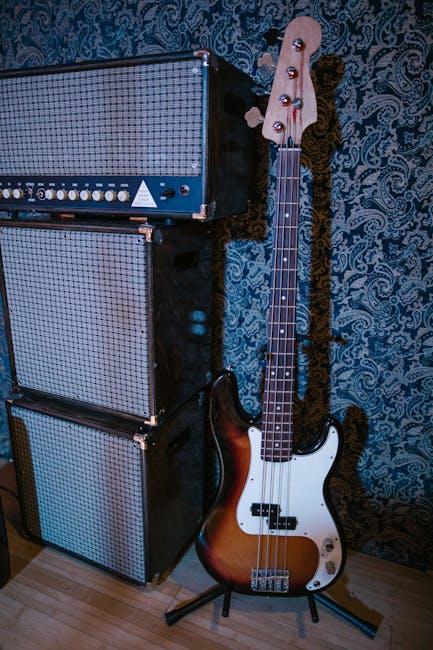
If you’re tired of your basslines hitting like a wet noodle instead of a crisp punch, you’ve landed in the right spot! Let’s be real: whether you’re jamming to your favorite tunes, mixing tracks, or just vibing out to a killer playlist, having solid bass control can make all the difference. Think of it as the backbone of your sound—like the sturdy struts holding up a grand ol’ concert hall. It enhances everything, making the music not just heard, but felt. So, if you’re ready to level up your audio game and shake the walls with some serious low-end magic, join us as we unveil a quick guide tailored just for you, the YouTube lovers who are eager to elevate their listening experience. Let’s dive in and unlock the secrets to mastering bass control together!
Understanding the Basics of Bass Frequencies for Crystal-Clear Sound
Understanding the foundations of bass frequencies is like knowing the secret sauce to a killer recipe. Bass frequencies, those low rumbling tones, typically fall between 20 Hz and 250 Hz. They create that rich, warm sound that makes music feel alive and immersive. Think about your favorite track—a deep thumping beat that just resonates through your body. It’s this range of sound that brings energy to your tunes, filling the gaps left by higher frequencies. When you’re mixing your music or tweaking a YouTube video’s audio, pay close attention to these frequencies. Too much can make your sound muddy, while too little might leave it flat and lifeless. It’s all about balance, my friend!
To get the crystal-clear sound everyone craves, consider using a parametric equalizer to sculpt your bass. Start by identifying which frequencies you want to enhance and which ones to cut. Here’s a simple approach: Focus on enhancing the 80-100 Hz range for that punchy kick drum, while checking the 200 Hz and above for muddiness. You can even use a high-pass filter to clear out any frequencies below 20 Hz, which might just be taking up space without adding any real value. For those keen on visuals, here’s a quick comparison table to show you the ideal frequency ranges for different bass elements:
| Bass Element | Ideal Frequency Range |
|---|---|
| Kick Drum | 50 – 100 Hz |
| Bass Guitar | 40 - 200 Hz |
| Sub-Bass Notes | 20 – 60 Hz |
Essential Gear to Elevate Your Bass Control Game
When you’re looking to amp up your bass control game, having the right gear can feel like upgrading from a bicycle to a sports car. Here’s what you absolutely need to consider adding to your arsenal:
- High-Quality Headphones: These are your best friends. Look for models that offer excellent bass response and noise isolation to keep distractions at bay while you fine-tune your sound.
- Dynamic EQ Software: This tool allows you to tailor your bass frequencies dynamically. Think of it as having a personal trainer for your audio—helping you sculpt that sound just right.
- Subwoofer: If bass is your jam, then a solid subwoofer is a must-have. It’s like giving your bass a stage to perform on, enhancing the depth and richness like a fine wine.
- Portable Mixer: Flexibility is key, and a compact mixer lets you adjust levels on-the-go. Picture it as your Swiss Army knife for sound—everything you need at your fingertips.
Not to forget about how you monitor your bass. A bass trap can work wonders for room acoustics by absorbing those pesky low-end frequencies that can muddy your tracks. Here’s a quick comparison of some options:
| Product | Price | Benefits |
|---|---|---|
| KRK Rokit 5 G4 | $169 | Great balance and punchy bass |
| Audio-Technica ATH-M50x | $149 | Broad frequency response, perfect for bass |
| IK Multimedia ARC System 3 | $199 | Automatic room calibration for better sound |
Techniques to Fine-Tune Your Sound for Perfect Playback
Fine-tuning your sound can feel like trying to find a needle in a sonic haystack, but with the right techniques, you can achieve that sweet spot for perfect playback. First, utilizing an equalizer (EQ) can make a world of difference. It’s like having a magic wand – with a few tweaks, you can boost those booming bass notes while toning down overpowering frequencies that muddle your experience. Experiment with lower frequencies (typically below 150 Hz) to enhance that deep, rich bass without overwhelming the other elements of your audio. Here’s a quick overview of some common EQ settings you can play around with:
| Frequency Range | Effect |
|---|---|
| 60-80 Hz | Enhances sub-bass, adds warmth |
| 120 Hz | Punchy kick drum presence |
| 250-500 Hz | Can muddy the mix if too high |
Next up, don’t forget about your playback device. Whether you’re vibing with headphones, a soundbar, or full-blown speakers, each has its quirks. The acoustics of your room can also play a huge role in sound quality as sound waves bounce off walls, altering how you perceive bass. Consider adding soft furnishings or acoustic panels to tamper with these reflections, giving your audio a clearer, more defined soundstage. You might even want to explore using a sound level meter app to really dissect your listening environment. Trust me; it’s like putting on a pair of audio glasses that let you see the sound waves clearly!

Practical Tips to Enhance Your YouTube Bass Experience
Want to make the most of your bass-heavy YouTube experience? Start by tweaking your audio settings. Many videos come with a default balance that struggles to showcase the full depth of bass. First, check your device’s sound settings and ensure any equalizer features are adjusted to enhance lower frequencies. If you’re on a desktop or laptop, consider using headphones that prioritize bass response. Headphone or speaker choice matters! Explore various options to see which brings out the low-end warmth you’re craving. Additionally, seeking out channels dedicated to bass-centric music or bass tutorials can introduce you to soundscapes you never knew existed.
Don’t overlook the importance of video quality, either. It’s tempting to dive into that catchy bass drop, but low-quality sources can distort the experience. Always look for the highest resolution available, as clearer visuals often enhance your audio experience. When you settle in for a session, try creating a comfortable environment: dim lights, cozy seating, and even snacks can turn an ordinary viewing into a mini-event. Here’s a quick table of recommended gear to boost your home bass experience:
| Equipment | Type | Recommendation |
|---|---|---|
| Over-ear Headphones | Audio | For immersive listening, look for models with bass enhancement. |
| Quality Speakers | Audio | Bookshelf speakers can deliver rich bass in compact spaces. |
| Sound Bar | Audio | A great option for simplifying soundsetups without compromising quality. |
| Subwoofer | Audio | For the ultimate bass experience, consider adding a subwoofer. |

In Retrospect
And there you have it, folks! Mastering bass control isn’t rocket science, but it can feel like a tricky dance at times. Just like finding the right beat to your favorite song, it’s all about that sweet balance between experience and experimentation. So, whether you’re cranking up the volume in your headphones or tweaking the settings on your speakers, remember: it’s your sound, your vibe, and you hold the reins.
Keep exploring, keep adjusting, and don’t hesitate to find that groove that makes your ears happy. Dive into those YouTube videos, test out different playlists, and let the music guide you. Before you know it, you’ll be mixing it up like a pro, impressing your friends with your newfound skills. Music is meant to be felt, so embrace the bass and let it resonate within you. Happy listening! 🎶