

In the vast ocean of digital content, YouTube stands out as a beacon for music lovers and creators alike. But have you ever paused to wonder if your favorite tunes are really safe amidst the swirling currents of copyright and content ID? Imagine you’re swimming in those waters—do you know how to navigate the waves of licensing issues, strikes, and potential takedowns? Whether you’re a budding artist trying to get your big break or just someone looking to upload their personal jam session, understanding the ins and outs of music safety on YouTube is crucial. Let’s dive into what you need to know to keep your musical expressions safe and sound while riding the YouTube wave!
Understanding Copyright: What You Can and Can’t Use on YouTube

When you dive into the world of YouTube, it’s like stepping into a vast ocean of creativity and opportunity. However, it’s essential to know that not everything is fair game. Whether you’re a budding content creator or just sharing memories, understanding what you can and can’t use is key to keeping your channel afloat. Copyright laws are designed to protect original works, which means anything from your favorite song to that epic movie scene is typically off-limits unless you have permission. If you don’t want your video flagged or, worse, taken down, be sure to use royalty-free music or tracks from YouTube’s own Audio Library. Your content needs to be both engaging and compliant, so always think twice before hitting that upload button!
Here’s the deal: if you want to use a song that’s not yours, you essentially need a license. Think of it like borrowing a neighbor’s lawnmower—you can’t just take it without asking! If you get caught using copyrighted music without permission, you might face a Content ID claim, which can lead to ads running on your video that you don’t earn from, or sometimes even a strike against your channel. To help clarify what’s usable, here’s a simplified breakdown of music options:
| Music Type | Usage Rights |
|---|---|
| Original Music | Free to use with permission |
| Royalty-Free | Usually free or a one-time fee |
| Creative Commons | Varies; check the license |
| Popular Tracks | Requires a license |
Navigating the YouTube Content ID System: Your Rights and Options

Let’s face it: YouTube protects its creators, but that can sometimes feel like a double-edged sword for musicians. When you upload your work, the Content ID system kicks in, scanning your video against an ever-growing library of copyrighted material. If it detects a match, it can block your video or redirect monetization to the copyright holder, leaving you with that sinking feeling as you realize your hard work may not see the light of day. But don’t throw in the towel just yet! Here are some key rights you should know:
- Dispute Rights: If you believe your content is unique, free from infringement, or used under fair use, you can challenge the claim.
- Monetization Options: You might retain the right to monetize your video if you’re using samples correctly or have agreements in place.
- Creative Control: Always keep ownership! Make sure you have contracts for any collaboration and understand who holds the rights.
If you find yourself in a bind with a notice or claim, it’s crucial to understand your options. You can submit a counter-notice, but be careful—this is a legal step and shouldn’t be taken lightly. Depending on your situation, you might want to consider a direct conversation with the claimant. Often, talking things through can resolve misunderstandings. Here’s a simple table that outlines the steps you can take if your content gets flagged:
| Step | Action | Notes |
|---|---|---|
| 1 | Review Claim | Check the specifics of the notice. |
| 2 | Decide on Response | Weigh your options: dispute, accept, or ignore. |
| 3 | Submit Dispute or Counter-Notice | Be ready to back your claim with solid evidence. |
Protecting Your Original Music: Best Practices to Keep Your Creations Safe
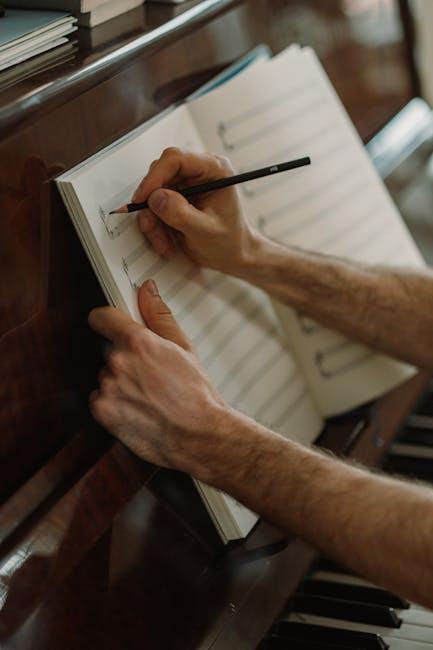
In the digital age, protecting your original music from unauthorized use can feel like trying to catch smoke with your bare hands. YouTube, while a fantastic platform to showcase your work, has its share of pitfalls. To shield your creations, consider the following best practices:
- Use Copyright Notices: Clearly label your music with copyright information. A simple statement like “© [Your Name] [Year]” can serve as a warning to would-be infringers.
- Register Your Music: Taking the extra step to officially register your tracks with the U.S. Copyright Office can bolster your legal standing in case of disputes.
- Utilize Content ID: YouTube’s Content ID system can help you automatically detect when someone uses your music in their videos, giving you a chance to monetize or remove the infringing content.
- Watermark Your Tracks: Embedding unique sound signatures or low-volume voiceovers can make it harder for people to claim your music as their own.
Of course, ensuring your music stays safe online involves being proactive and communicative. Don’t hesitate to reach out to fellow artists and network with others in the industry. Building a supportive community not only helps you share experiences but also enhances your chances of catching potential infringements early. Here’s a quick reference table of additional steps for safeguarding your creations:
| Step | Description |
|---|---|
| Keep Records | Document all your music sessions and creations, including drafts and collaborations. |
| Know Your Rights | Stay informed about copyright laws and fair use policies to defend your work effectively. |
| Engage with Fans | Building a loyal fanbase can deter infringement as they’re likely to alert you to misuse. |
Responding to Strikes and Claims: Steps to Take When Things Go Wrong
When faced with strikes or claims against your music on YouTube, it’s crucial to respond swiftly and effectively. Start by reviewing the claim details to understand the reason behind it—are you dealing with a copyright strike, a content id claim, or maybe a community guidelines issue? This clarity will steer your next steps. Here’s what to consider:
- Analyze the Content: Verify if you actually have the rights to use the music.
- Gather Evidence: Collect all paperwork or digital proof showing your ownership or permission.
- Respond Promptly: Most claims have a deadline; don’t delay in reaching out to the claimant.
Thinking of going into negotiations? Getting your facts straight is half the battle. If you believe the claim has mistakenly impacted your content, you can file a dispute. Present your case clearly and concisely, using straightforward language that showcases your argument. Here’s a handy checklist for filing your dispute:
- Detail Your Argument: Explain why you believe the claim is incorrect.
- Provide Supporting Documentation: Attach any evidence that backs your claim.
- Stay Professional: Avoid emotional language—stick to the facts.
Wrapping Up
So there you have it! Navigating the musical jungle of YouTube can feel like walking a tightrope—one wrong step, and you might find yourself plunged into the depths of copyright chaos. But with a little knowledge and a splash of caution, you can keep your creative juices flowing without fear. Remember, staying informed is your best shield against any licensing landmines! Keep those tunes safe, and continue sharing your passion with the world. After all, every note you play deserves to be heard—just make sure you’re hitting the right keys along the way. Now get out there and make some music magic, but don’t forget to play it safe! 🎶