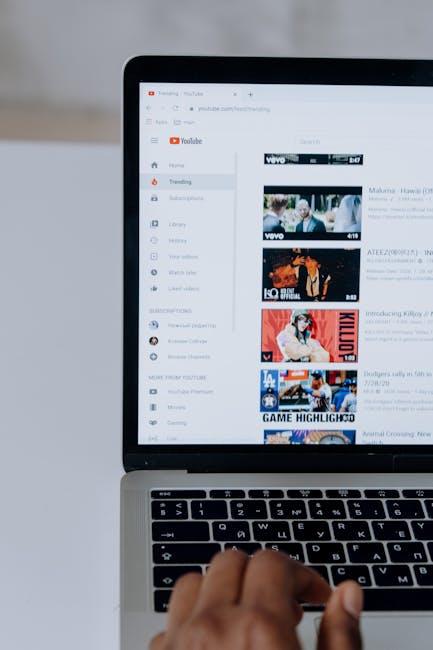
You’re scrolling through YouTube, and you stumble upon that hilarious clip from your favorite show or an unforgettable moment in a blockbuster movie. In a moment of inspiration, you think, “What if I could snip this and share it with my friends?” It seems harmless, right? But wait, lurking beneath the surface of that innocent impulse is a legal maze that could make a labyrinth look like a straight path. Welcome to the blurry world where fun meets the fine print—snipping YouTube clips might feel like fair game, but it could land you in a copyright quagmire faster than you can hit that ‘share’ button. So, let’s unravel this tangled web together and find out if you’re stepping into creative freedom or a copyright trap!
Understanding Fair Use in the Age of Digital Media
In the realm of digital media, snipping a few seconds from a YouTube clip can feel like a harmless act, like taking a small piece of cake from a larger one—everyone’s doing it, right? But is it truly fair use, or are you stepping into murky waters? Fair use is a legal doctrine that allows limited use of copyrighted material without needing permission. It’s like the secret sauce that can make or break your content. Factors like purpose, nature, amount used, and market impact come into play. Are you using the clip for criticism, news, teaching, or something else? Consider how much of the original work you’re snipping—is it a mere grain of sand in the beach of content, or are you taking a hefty boulder? Each piece could tip the scale toward fair use or copyright infringement.
When you grab clips to back up your arguments or spice up your commentary, remember that context is everything. Imagine discussing a crazy stunt from a viral video to highlight safety issues—you’re not merely borrowing; you’re providing valuable insights that might transform the meaning of that clip. But let’s be honest, the line is often blurred. If your use could potentially harm the market for the original video, you might find yourself in hot water—like diving into a deep pool without knowing how to swim. So, before you hit that screenshot button, weigh those factors, and ask yourself: Am I improving the conversation or just swiping for convenience?

Navigating the Gray Area of Content Creation
In the digital wild west we call the internet, snipping clips from YouTube sometimes feels like strolling on a tightrope strung over a pit of copyright lawyers. Sure, it might seem harmless – like borrowing a cup of sugar from your neighbor. But the moment you make that clip public, you’re stepping into a murky realm where fair use starts to blur. Is it parody? Is it commentary? Are you just giving viewers a taste before leading them to the full dish? These questions haunt creators trying to strike the right balance between creativity and legality.
When thinking about sharing snippets, here are some things to consider to avoid falling into the copyright trap:
- Purpose of Use: Is your use transformative? Are you adding commentary or critique that adds value?
- Amount Used: Are you taking only what you need, or grabbing the whole pie?
- Market Effect: Are you impacting the original video’s market value?
| Consideration | Questions to Ask Yourself |
|---|---|
| Purpose of Use | Am I informing or entertaining? |
| Amount Used | Is less more in this case? |
| Market Effect | Will this clip hurt the original? |
Tips for Creators: Avoiding Copyright Pitfalls
When you’re diving into the creative world of video content, it’s super tempting to snip some clips from popular YouTube videos, thinking it’s fair game. But hold on! While transformative uses can sometimes slide under the radar of copyright law, it’s a minefield out there. To steer clear of copyright pitfalls, always consider these points:
- Fair Use Is Complicated: Just because you’re remixing doesn’t mean you’re protected. Fair use depends on how much of the original work you’re using, the purpose of your work, and the effect it has on the original.
- Attribution Matters: Simply crediting the creator doesn’t guarantee safety. It’s nice to give them props, but it doesn’t shield you from copyright claims.
- Your Content’s Purpose: Are you using the clips to critique, educate, or provide commentary? If so, you might lean towards fair use, but don’t get too cocky.
Also, before pressing “publish,” consider crafting a quick comparison of what you’re creating versus the original. It can help you gauge your risks:
| Aspect | Your Clip | Original Clip |
|---|---|---|
| Length | Shorter, key segments | Full video or major portions |
| Purpose | Transformational commentary | Entertainment or news |
| Impact | New audience Engagement |
Potential market loss |
Understanding these dynamics can be a game changer. Keep your creative juices flowing while staying on the right side of copyright law! It’s all about balance—think of it like walking a tightrope, where one misstep could send you tumbling.

The Future of Snipping: Embracing Innovation or Facing Consequences
As YouTube continues to evolve, so does the practice of snipping clips for sharing and remixing. Creators are juggling the thrill of innovation against the looming shadow of copyright laws that may feel overly stringent or outdated. Is it a creative playground or a legal minefield? It’s akin to walking a tightrope; one misstep can lead to a copyright strike that can derail an entire channel. Users often ask themselves, how much is too much? Various opinions circulate in the community—some argue that snipping can offer fresh takes on existing content, helping audiences discover creators they may not have encountered otherwise.
Looking towards the horizon, embracing change is vital. Platforms like YouTube are beginning to explore more lenient approaches to enhance creator collaboration while protecting intellectual property. Consider this scenario: creators could incorporate clips under certain guidelines, fostering innovation while also respecting original work. Imagine a world where remixing fuels creativity just like a DJ spinning classic tracks into something brand new. Now that’s a future worth snipping for! With open dialogues and fair use discussions, it’s about finding that delicate balance between celebration of creativity and respect for ownership.
In Retrospect
As we wrap up this discussion on snipping YouTube clips, it’s clear that diving into those waters can feel a bit like walking a tightrope, right? On one side, you’ve got the allure of sharing bite-sized nuggets of your favorite content, spreading joy, and adding your own flair. But on the flip side, copyright laws loom like a vigilant lifeguard, ready to blow the whistle if you venture too far.
So, what’s the takeaway? While it might seem tempting to snag that perfect moment from a viral video, it’s essential to tread carefully, keeping both creativity and legality in mind. Remember, the world of content creation is like a recipe; a dash of ingenuity plus a pinch of respect can lead to something truly delicious. Just make sure you’re following the rules in the kitchen!
At the end of the day, engaging with content through snipping can be a fabulous way to enhance conversations and share perspectives, but always do your homework. Every clip deserves respect—and so do the creators behind them. So go ahead, create, share, and explore, but keep that copyright compass handy to navigate the tricky waters of digital content. Happy snipping!