Ever watched a video on YouTube and wondered how they keep track of all that content? You know, like how some tunes just vanish, or why certain clips get flagged for copyright infringement while others skate by unscathed? YouTube’s copyright detection system is like a digital watchdog, constantly sniffing around for potential rule-breakers, but how robust is it really? Is it a reliable guardian of creators’ rights, or just a fancy algorithm with a few hiccups? Let’s peel back the layers and dive into the mechanics of this dynamic system, exploring its strengths, its flaws, and what it all means for content creators and viewers alike. Buckle up, because understanding this high-tech enforcer is like unraveling a mystery where every click counts!
Understanding the Technology Behind YouTube’s Copyright Detection System
YouTube’s copyright detection system is a complex yet fascinating process that employs a mix of algorithms and machine learning to keep content creators in check. One of its key features is Content ID, which analyzes uploaded videos against a vast database of copyrighted material. Imagine having a super-smart librarian who can instantly recognize every book on the shelf and catch any wrongdoers trying to sneak a few unauthorized chapters into the public library. This system scans audio and visual elements within new uploads, matching them with existing copyrighted works, not just from YouTube but also from external databases. The efficiency of this technology means that rights holders can protect their intellectual property while creators can avoid unintentional infringements—everybody wins, right?
But how does this technology really work behind the scenes? Think of it as a digital fingerprinting process. When a video is uploaded, the system generates a unique fingerprint of the content’s elements, including sound and images. If another user tries to upload a similar video, the system cross-references this fingerprint with its database. If there’s a match, it triggers a few actions, such as blocking the video, providing monetization options to the copyright owner, or simply sending a warning to the creator. This method not only protects intellectual property but also fosters a culture of respect and creativity among users. However, it isn’t infallible, and there are still gray areas where users can clash with the system, leaving many wondering, is it always fair?
The Impact of Copyright Strikes on Creators and Content Diversity

For many creators, the reality of copyright strikes can feel like a heavy weight hanging over their shoulders. It’s not just about a few annoying notifications; these strikes can seriously derail creative momentum and impact livelihoods. Many talented individuals find themselves second-guessing their content choices, wondering if their artistic expression will fall victim to a claim. This fear can stifle innovation, leading to a more homogenized platform where everyone plays it safe rather than pushing boundaries. Imagine a painter who loves to explore different styles but holds back, fearing that someone might challenge their use of a particular shade. That’s the creative world within which many YouTubers now operate.
Moreover, this restrictive environment tends to favor established creators and larger companies with the resources to navigate the murky waters of copyright law. Emerging voices struggle to find their footing when they’re constantly battling threats to their work. The diversity of content suffers as platforms end up with a carousel of similar themes and ideas, leaving viewers with less to explore. Additionally, creators are forced to invest time and money into complex copyright clearance processes instead of focusing on their craft. Ask yourself: how many unique experiences, viewpoints, and stories might we miss if the system doesn’t evolve? In this way, the very essence of creativity hangs in the balance, waiting for a more equitable solution to arise.
Navigating the Minefield: Tips for Staying Within Copyright Guidelines
Staying within copyright guidelines can feel like tiptoeing through a minefield, but with a little know-how, you can navigate it like a pro. Always give credit where it’s due. If you use someone else’s content, whether it be a video clip, music, or images, make sure to credit the creator. It’s like giving a shout-out at a party when someone shares their snacks—it’s just good manners! Utilize Creative Commons licensing. Look for clips or images that explicitly allow reuse under certain conditions. It’s like finding a “free samples” aisle at the store—use those goodies, but follow the rules that come with them. And don’t forget to transform the original work. Whether you add commentary, critique, or remix it, ensuring your content adds something new can tip the scales in your favor when it comes to fair use.
Another tip? Keep an eye on duration and quantity when using snippets. It’s like tasting a dish instead of polishing off the whole pot. If you show only a short segment of a video or a few seconds of music, you reduce the risk of stepping on copyright toes. Plus, regularly review your uploads and responses to copyright claims—think of it as keeping your house tidy. If you notice something out of place, address it before it becomes a bigger issue. Here’s a quick table to summarize your safety nets:
| Tip | Description |
|---|---|
| Credit Creators | Always acknowledge the original creator when using their work. |
| Creative Commons | Use content that is free to share under specific licenses. |
| Transformative Use | Add your own spin or commentary to content to enhance originality. |
| Limit Usage | Only use short clips or excerpts to minimize risk. |
| Monitor & Review | Keep an eye on your content and respond to any claims promptly. |
The Future of Copyright Enforcement: What’s Next for YouTube Creators?
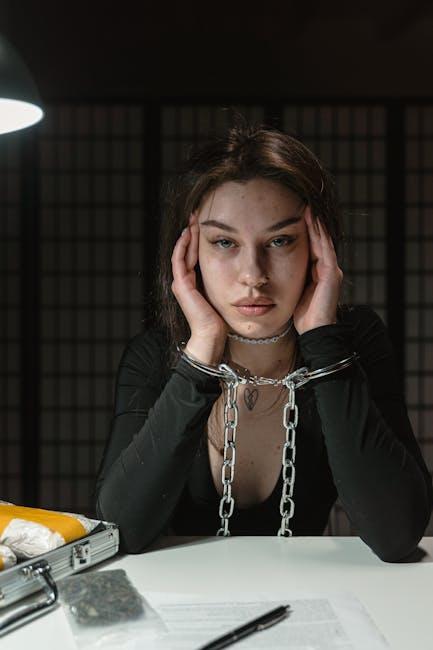
With the ever-evolving landscape of copyright enforcement on YouTube, creators are navigating a fine line between showcasing their artistic flair and respecting the rights of original content owners. The current system utilizes an intricate algorithm that sifts through millions of uploads, pinpointing potential violations with impressive speed and accuracy. But how effective is it really? Creators often find themselves caught in a web of content ID claims, which can feel like getting a speeding ticket while driving a rented car—daunting and confusing. These claims can lead to limited monetization options, and in some cases, full-blown takedowns, leaving creators scrambling to address copyright issues that can seem arbitrary at best.
Looking ahead, there’s a chance that YouTube might implement more nuanced AI-driven solutions that not only detect potential copyright infringement but also consider context. Imagine a world where the system understands fair use and creative reinterpretation, like a friend who gets your inside jokes. This could empower creators to experiment with their work while reducing the fear of punitive measures. However, questions linger: (Will this technology be perfect? Will it still favor larger entities over independent creators?) The balance hinges on the platform’s ability to adapt and foster a community where originality flourishes rather than fades away under the weight of overly stringent regulations.
| Potential Changes | Impact on Creators |
|---|---|
| Enhanced AI Detection | Less false claims, more creative freedom |
| Transparency in Enforcement | Clearer guidelines, reduced confusion |
| Adaptive Copyright Policies | Greater support for fair use |
Final Thoughts
So, there you have it! YouTube’s copyright detection system is like a double-edged sword—sharp and efficient, but sometimes it can cut a little too deep, leaving creators scratching their heads. It’s impressive how technology has ramped up its game in protecting original content, yet we can’t overlook the occasional hiccups that make the whole process feel like a game of whack-a-mole.
As we continue to navigate this wild world of online content, it’s crucial to keep our wits about us, understand our rights, and stay informed about how these systems evolve. So, what do you think? Is YouTube doing enough to balance the scales, or does it need a bit of fine-tuning? Your voice matters in this conversation, so let’s keep discussing and sharing insights! Until next time, keep creating, keep sharing, and most importantly, keep it original!