

YouTube is like that enormous library where you can find just about anything — cat videos, how-tos, music, and yes, even the odd pirated movie or two. But with so much content floating around, the big question is: how does YouTube deal with piracy? Does it just turn a blind eye, or is there a solid crackdown in place? In this article, we’re diving deep into the world of YouTube’s policies, exploring what happens when someone tries to slip through the cracks with unauthorized content. Buckle up as we uncover the platform’s methods for protecting creators and keeping the pirates at bay!
Understanding YouTube’s Approach to Piracy and Copyright Enforcement
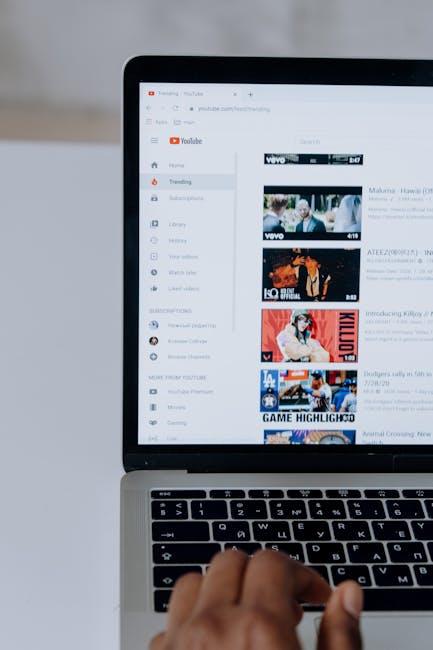
YouTube takes piracy and copyright enforcement pretty seriously, and it’s like a game of digital chess out there. The platform uses sophisticated algorithms and machine learning to scan videos for copyrighted material, helping to identify content that might not play by the rules. When a video gets flagged, it’s usually due to Content ID—a system that automatically detects copyrighted sounds, visuals, or even entire clips. Think of it as a diligent librarian, constantly keeping an eye on who’s borrowing what without permission.
When it comes to dealing with these copyright issues, YouTube has a few moves up its sleeve. Content owners can choose to:
- Monetize the video, earning cash from ads while the uploader gets nothing.
- Block the video, making it inaccessible in certain regions or completely.
- Track views of the video without any monetization.
While many creators fret over copyright strikes, YouTube aims for balance; they want to protect content creators while fostering a space for everyone to express themselves. It’s a delicate dance, ensuring creators can shine without stepping on someone else’s toes.
The Role of Content ID: Protecting Creators or Stifling Innovation?

Content ID plays a dual role in the YouTube ecosystem, acting as both a guardian for creators’ intellectual property and a potential roadblock for budding innovation. On one hand, it’s like an ever-watchful watchman, ensuring that creators receive due credit and compensation for their hard work. With its advanced algorithmic prowess, Content ID can identify copyrighted material in videos and facilitate efficient monetization agreements, ensuring that content owners get a slice of the pie. This is crucial for many creators who rely on ad revenue to fund their creative pursuits.
However, the same system can also be seen as a double-edged sword, capable of stifling creativity and collaboration. When a budding artist samples a popular track or incorporates iconic clips into their work, they risk having their video flagged or removed entirely, often without a clear path for resolution. Consider how frustrating it is for creators to navigate a landscape where their original ideas can be seen through the lens of infringement, leading to self-censorship. This fine balance creates a battleground where innovation can thrive or wither away, depending on how the intricate nuances of copyright law intertwine with the modern reality of content creation.
Navigating the Gray Areas: What Users Need to Know About Fair Use
When diving into the murky waters of fair use, it’s essential to understand that this legal doctrine doesn’t exist in black and white. Think of fair use as a gray area that provides some flexibility but comes with its own set of caveats. Users need to be aware that the four factors of fair use are always in play, including the purpose of the use, the nature of the copyrighted work, the amount used, and the effect on the market value of that work. For instance, are you using a short clip for education or review? That leans more towards fair use. But if you’re swiping large chunks from a film for a profit-driven project, you may find yourself in hot water. Here’s a quick rundown of what to consider:
- Purpose: Educational, transformative, or commercial?
- Nature: Is it published or unpublished?
- Amount: How much of the work are you using?
- Market Effect: Are you hurting sales of the original?
Getting this right can feel like walking a tightrope. One misstep, and you might just fall into a world of copyright infringement. It’s also vital to remember that fair use is determined on a case-by-case basis—not just what seems right to you. Litigation can be costly, which begs the question: is it worth the risk? To give you a clearer picture, here’s a simple comparison of fair use scenarios:
| Scenario | Fair Use? |
|---|---|
| Using a 10-second clip for a movie review | ✔ Yes |
| Posting an entire song for your vlog | ✖ No |
| Citing a paragraph from a book in a school project | ✔ Yes |
| Re-uploading a viral video with minimal changes | ✖ No |
Tips for Creators: Safeguarding Your Work in a Digital World
As a creator in today’s fast-paced digital landscape, you’ve probably poured your heart and soul into your work. Protecting that creativity is key, especially with the lurking threat of piracy out there. So, what can you do to keep your content safe and sound? Here are some practical tips for you:
- Watermark Your Work: Think of it as a signature; it marks your territory.
- Use Licensing Platforms: Sites like Creative Commons give you the power to allow usage—but on your terms.
- Stay Vigilant: Regularly search for unauthorized use of your content. Google Alerts can be your best buddy here.
- Educate Yourself: Knowing your rights about copyright can feel like having armor in a battlefield.
Moreover, leverage technology to safeguard your masterpieces. Utilizing tools like digital rights management (DRM) can help you control how your content is accessed and used. If things do go south and you catch someone swiping your work, don’t just stew in silence. Take action! File a takedown notice on platforms like YouTube, which actually has systems in place to combat piracy. They may even offer you a glimpse of what might happen next:
| Action Taken | Potential Outcome |
|---|---|
| File a Takedown Notice | Content removed swiftly |
| Document Everything | Stronger case for future action |
| Engage With Your Audience | Build a loyal community that supports you |
The Way Forward
So, there you have it! YouTube’s dance with piracy is as intricate as a tightrope act—balancing creators’ rights and users’ desires while staying on the straight and narrow of copyright laws. It’s clear that the platform doesn’t take piracy lightly, deploying a range of tools and algorithms to keep those pesky copyright infringers in check. But as we’ve seen, it’s a constant tug-of-war between enforcement and user creativity.
So, what do you think? Is YouTube doing enough to combat piracy, or is there still a long way to go? As the digital world keeps spinning, it’ll be interesting to see how the platform evolves to tackle these challenges head-on. Let’s keep the conversation going—after all, we all want a fair playbook in the game of content creation, don’t we? Feel free to drop your thoughts in the comments below, and let’s brainstorm solutions together! Keep streaming, keep creating, and remember: respecting creators is the way to go!